

Archives
In 1986, Vada Bennett Dow and the Dow children established the Alden B. Dow Archives to preserve and document Mr. Dow’s architectural career and to make those materials available for public research in the building where they were created.
The Archives is located in the original Playroom of the Alden B. Dow Residence and is open to the public by appointment. The Archives welcomes students, scholars, architects, and anyone who has an interest in Mr. Dow, his architecture, or his philosophy of design.
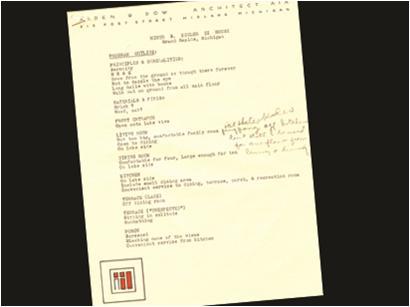
Researchers have the rare opportunity to study the original primary resource materials for over 550 residential, religious, educational, civic, and commercial structures, encompassing both built and unbuilt projects. Resource materials include original architectural drawings, job files, photographs, personal papers, and 16mm movies, as well as speeches and writings, sketches, and patents.
Nearly 1500 books and journals in Mr. Dow’s professional library and throughout the home are available for on-site study and research only. They are currently searchable through the Grace A. Dow Memorial Library’s online catalog.
A searchable online catalog of the Archives is coming in 2026!
To submit a research inquiry or schedule a visit, please contact the Archives at archives@abdow.org or 989-839-2744.
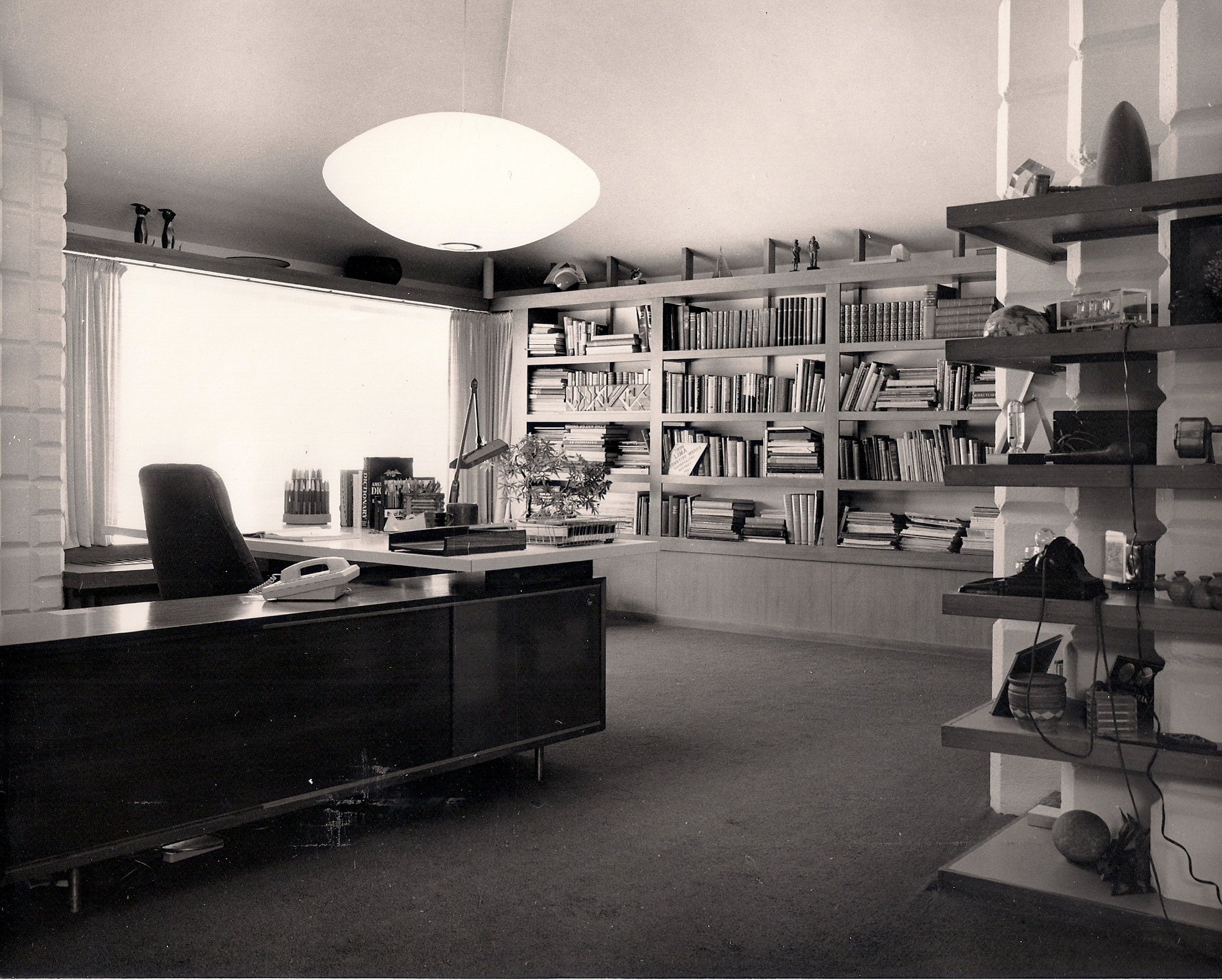
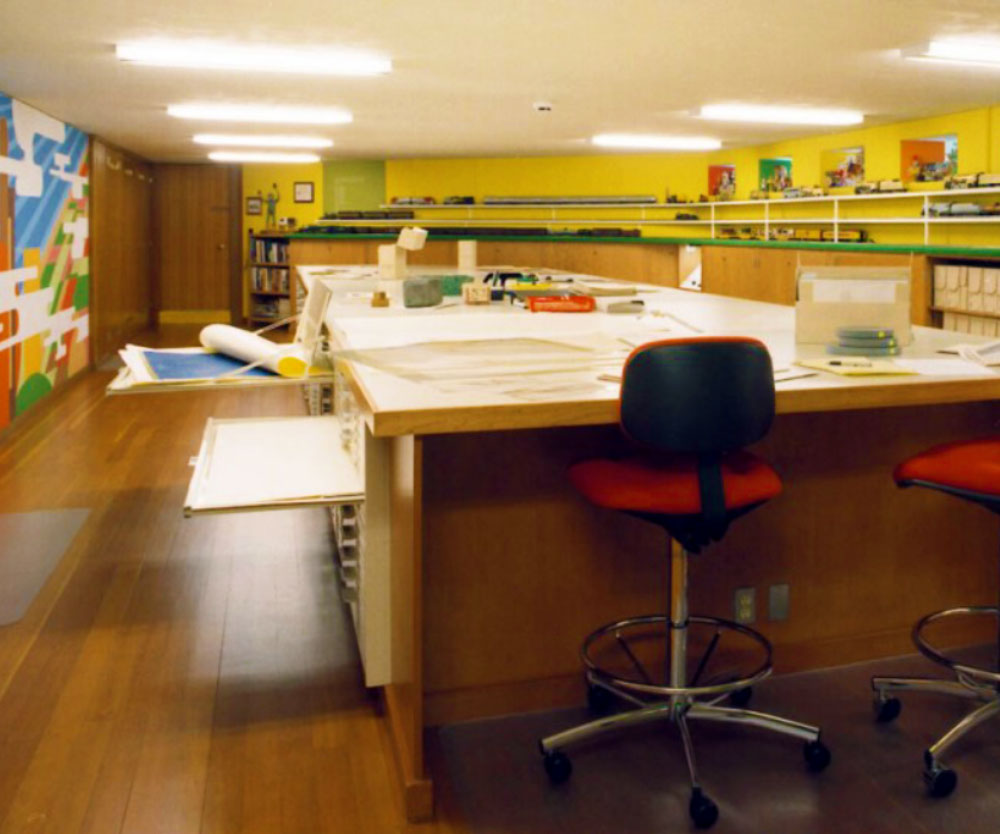
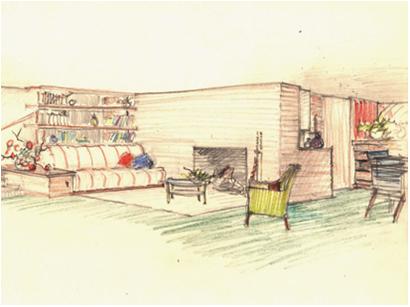
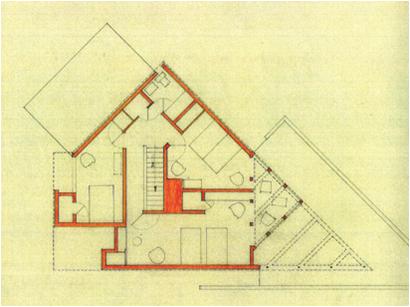
Archives Gallery
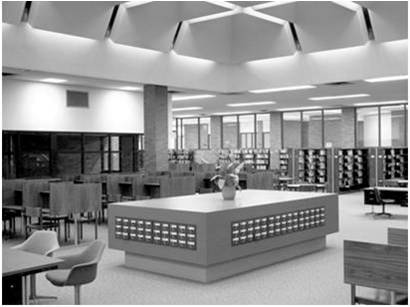
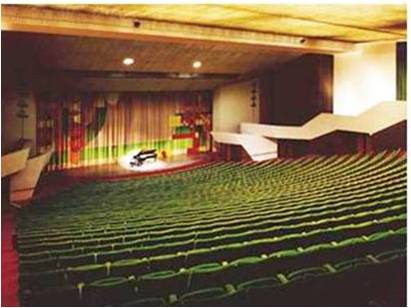
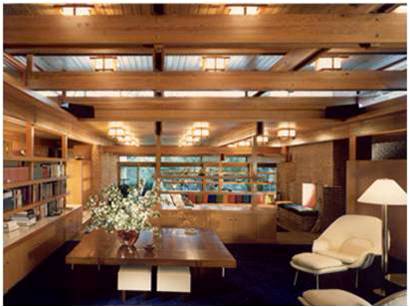
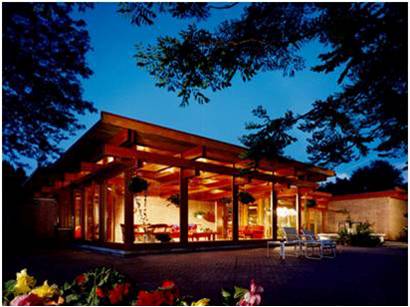
The Archives
Architectural Drawings
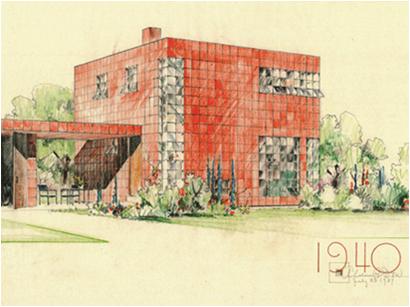
Over 50 years of original design development and working drawings for each of Alden Dow’s 560 projects and their corresponding job files are stored on site in the Playroom of the residence.
Drawings dating from as early as the 1920s are accessible for study. The archival processing and organization of these documents began in 1988, with the majority completed by 2000. All documents were analyzed and rated for fragility, sent to conservation when needed and are held in environmentally controlled containers and space.
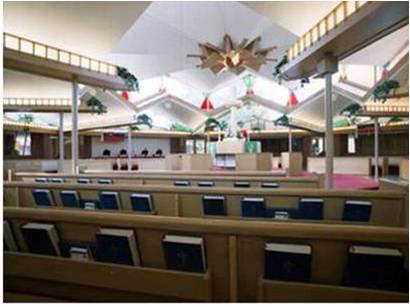
Access to this collection of drawings was deemed possible by Vada Dow in her quest to share and expose others to Alden Dow’s talent and his innovative approach to architecture. Images in the gallery on this page are a sampling of the 22,000 drawings possible for review; featuring both built and un-built designs. When visiting the Archives, defining your research topic prior to your visit will assist our staff in pulling all related materials to compliment your interests.
Job Files
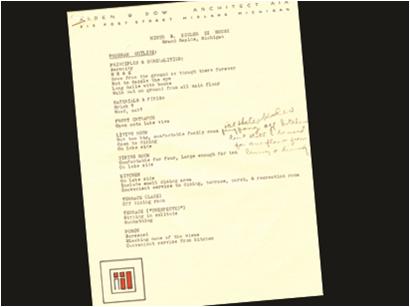
These elements are organized and categorized chronologically into “job files” or “text documents” and provide necessary information for the building and ordering process for each structure built.
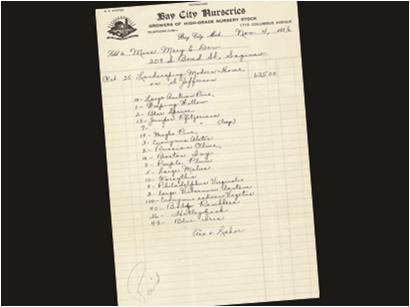
Information not indicated on the drawings, for instance, the color of tile selected, the style of hardware, original furniture designed for the structure, invoices from vendors, etc.; all work together to create a complete picture or concept for construction. Depending on the scale, scope and/or length of the project, each structure may have multiple files or boxes of information to review.
Photographs
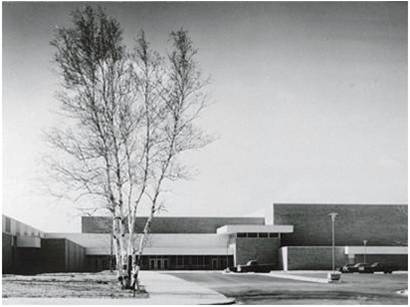
In addition to his own photographs, Alden Dow’s architectural work was captured through the lenses of other great architectural photographers, such as Balthazar Korab, Elmer L. Astleford, Glen Calvin Moon, and Hedrich Blessing to name a few. The photographic collection consists of historic and modern day photos. Most projects are accompanied by historical photographs, some including construction, and several continue to be documented today.
Personal Papers
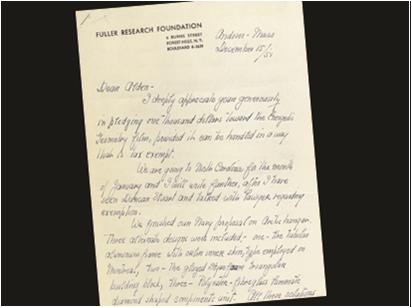
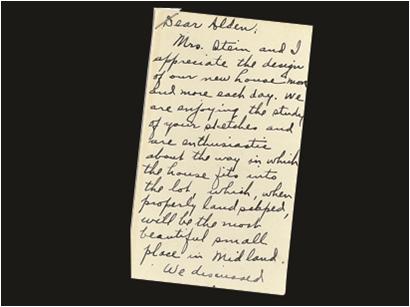
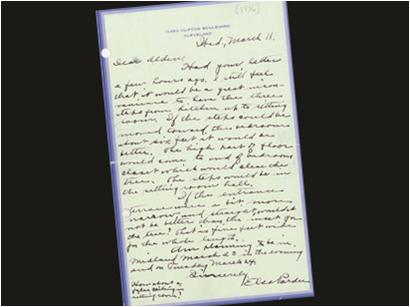
In our electronic age, hand-written, dictated or typed correspondence is becoming a thing of the past. During Alden Dow’s time this was the norm. Imagine how different writing a speech for the American Institute of Architects would have been for Alden Dow… no computers, only a manual typewriter…a small change becomes a “do over.” Today, isn’t it special to receive a hand-written letter or note from a friend? It seems to mean more.
16 mm Films
One of Alden Dow’s many passions in life was producing motion pictures. For 50 years he documented a large part of his own architectural career, personal interests and world travels. Over 300 16mm films are stored in the Archives and most are viewable in their original form in Mr. Dow’s personal movie theater. Alden Dow’s innovative nature led him to try different techniques in film production. He experimented with time lapse photography, animation and dream sequencing. Mr. Dow also edited his own films. His choice of film was 16mm Kodachrome considered at the time to be the best, though most unheard of for home use.
Some notable examples of his movies include the Frank Lloyd Wright Taliesin Fellowship (1933) that features the original fellows with Frank Lloyd Wright in their daily activities, working in fields, and relaxing having fun.
Frank Lloyd Wright Taliesin Fellowship (1933): Features the original fellows with Frank Lloyd Wright and in their daily activities, working in fields, and relaxing having fun.
Construction of Home and Studio (1934 – 1950): During 1934 to 1939, the film begins with Alden Dow at his drafting board then moves to shots of a horse drawn excavator. The beginnings of the Floating Conference Room also takes shape. During 1939 to 1941, horses are replaced with a steam excavator moving earth. The supports for the terrace wall are in place, and then by wheel barrow men begin filling in the supporting wall.
World travel (1925 – 1973): Several films featuring travels to England, Hawaii, France, Germany, Italy, Japan, Manila, and others.
Snow Hill (1925): As a teenager himself, Alden Dow captures other family members enjoying the woods in Midland and sledding and skiing at Revere Park. Alden Dow then takes a moment to document his father, Herbert Henry Dow, handing out fruit to the children in Dow Gardens. Family and friends enjoy swimming in Herbert and Grace Dow’s pool and canoeing through the Dow Gardens.